Learn effective ways to lock in moisture and protect natural hair from winter dryness and breakage using sealing techniques after washing and a texture-specific routine.
This post contains affiliate links. If you buy through them I may earn a small commission at no extra cost to you.
You need extra moisture and protection when the air turns cold and dry, because natural hair loses water faster in winter and becomes prone to breakage. Focus first on sealing in hydration after every wash and shielding strands from wind and indoor heat. Then build a simple routine around your specific texture and length so your hair stays healthy through the season.
How can you lock in moisture for natural hair in winter?
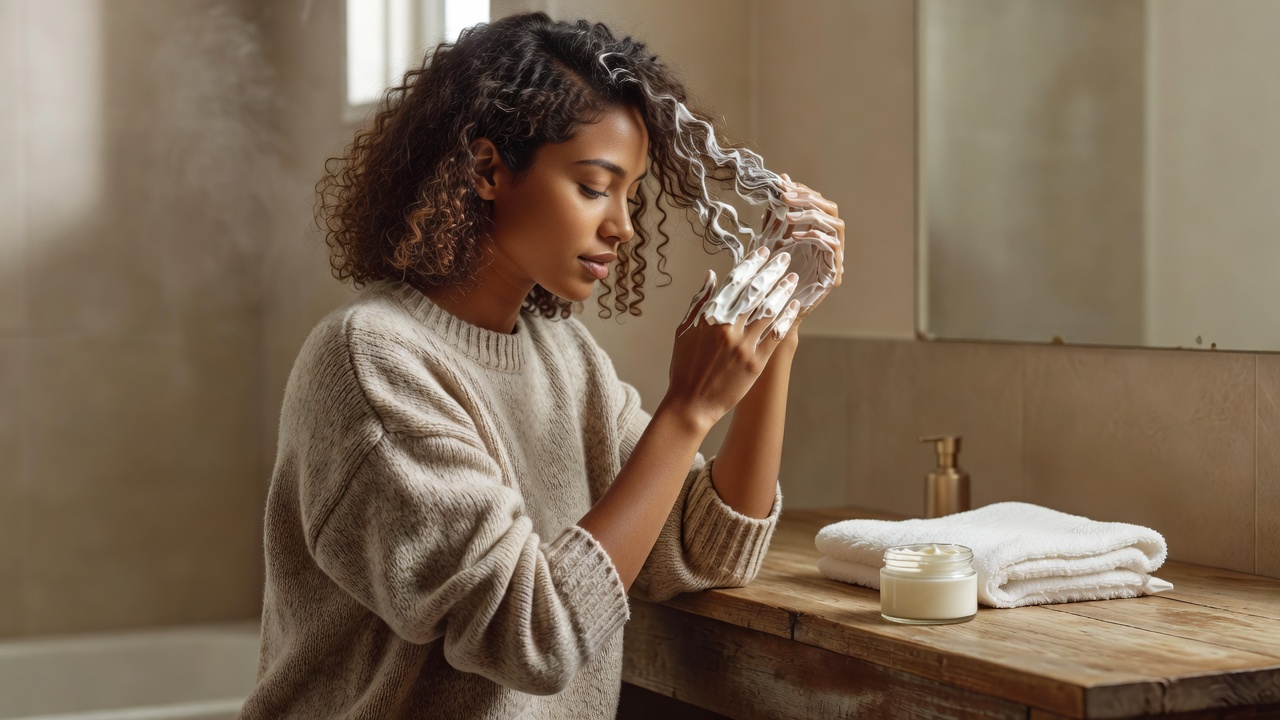
Winter air pulls moisture out of curly and coily textures quickly, so the goal is to add water and then seal it. Start with a sulfate-free cleanser once a week or every ten days instead of daily washing. Follow with a leave-in conditioner that contains glycerin or aloe, then layer a thick butter like shea or mango on damp hair.
- Section your hair into four parts before applying products so every strand gets coverage.
- Use the LOC method: liquid, oil, cream, in that order, to trap hydration.
- Refresh mid-week with a spray bottle of water mixed with a small amount of your leave-in, then seal again with oil.
Reapply the oil or butter to your ends every other day if they feel rough. This keeps the hair shaft supple without weighing it down.
What protective styles help natural hair survive winter?
Protective styles reduce daily manipulation and shield hair from harsh weather. Choose styles that do not pull tightly at the edges and last no more than six weeks.
- Two-strand twists or flat twists keep ends tucked and allow easy access for scalp oiling.
- Loose braids with added extensions give length and coverage while still letting you wash the scalp.
- Wigs or headwraps work well for very short cuts, but remove them nightly to let your scalp breathe.
Moisturize your scalp and hairline before installing any style. Re-twist or refresh the style once a week so it does not become dry and brittle.
How do you care for your scalp when the air is dry?
A dry scalp flakes and itches more in winter, so treat it as part of your hair routine. Massage warm oil such as jojoba or grapeseed into your scalp two or three times a week using your fingertips.
- Part your hair in rows and apply a few drops of oil to each section.
- Avoid heavy petroleum-based products that can clog pores.
- If flakes persist after consistent oiling, switch to a gentle clarifying rinse with diluted apple cider vinegar once a month.
Keep indoor humidity above 40 percent with a small humidifier near your sleeping area to reduce scalp tightness overnight.
Which ingredients work best in winter hair products?
Look for ingredients that draw in and hold water rather than ones that evaporate quickly. Glycerin, honey, and aloe vera pull moisture from the air when humidity allows, while heavier butters seal it.
- Avoid products that list alcohol as one of the first five ingredients because they dry strands further.
- Shea butter, cocoa butter, and castor oil create a protective barrier against cold wind.
- Protein treatments once every four to six weeks can strengthen hair without over-stiffening it if balanced with moisture.
Test a small amount of any new product on one section first to see how your hair responds in the current weather.
How often should you trim natural hair in winter?
Trim every eight to twelve weeks if you notice split ends or if your hair feels brittle at the ends. Winter dryness can make splits travel up the shaft faster, so regular small trims prevent bigger damage.
- Check your ends in bright light after a wash.
- Snip only the damaged tips instead of removing length all at once.
- Keep trims consistent rather than waiting until breakage becomes obvious.
How do you protect natural hair from hats and scarves?
Wool and synthetic fabrics create friction that roughs up the cuticle. Line hats with a silk or satin scarf or choose hats made from softer materials.
- Slip a satin bonnet over your hair before putting on a winter hat.
- Tie scarves loosely so they do not rub the same spot repeatedly.
- Shake out and fluff your hair gently after removing outerwear to release any flattened sections.
Our Editor's Pick
At the Best Haircare collection on the lifestyle app, you will find organized lists of hair tools, accessories, and product suggestions grouped by hair type and routine needs. The selections focus on everyday items that fit into a simple lifestyle rather than professional salon services. It suits women who want straightforward options they can browse without sorting through hundreds of unrelated results. Browse the collection →
Frequently Asked Questions
Does wearing a hat every day cause breakage?
Yes, constant friction from rough fabrics can lift the cuticle and lead to breakage at the ends. Lining your hat with satin or wearing a bonnet underneath reduces that rubbing and helps keep strands smoother.
Can you deep condition too much in winter?
Overdoing deep conditioning can leave hair feeling coated and limp if you skip clarifying. Limit deep treatments to once every two weeks and follow with a light rinse if your hair starts to feel weighed down.
Should you use heat tools in winter for natural hair?
Occasional low-heat styling is fine, but repeated heat dries hair faster when the air is already low in moisture. Air-dry when possible and use a heat protectant plus a lower temperature setting if you do style with tools.
Final Thoughts
Pick one change from the moisture or protective-style sections and try it for the next two weeks. Your hair will show you what feels right for your texture.




Comments
Post a Comment