
Hyperpigmentation Guide: Naturally Fade Dark Spots
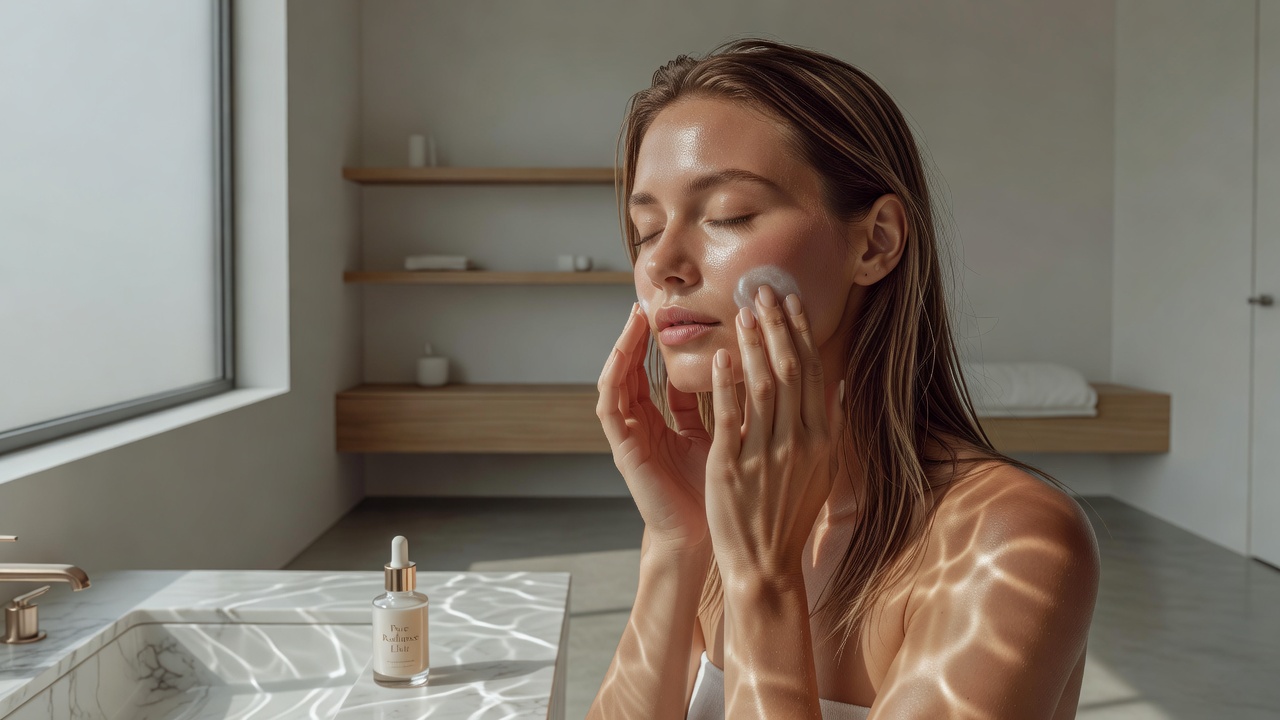
There’s nothing quite like that feeling when you catch a glimpse of yourself in the mirror and think, "wow, my skin looks amazing today." But for so many of us, dark spots from sun exposure, old acne, or just general skin unevenness can really steal that glow. We’ve all been there, staring at those stubborn marks, wishing they'd just fade away. You deserve to feel confident in your skin, and getting that even tone back is totally within reach.
Understanding Hyperpigmentation
Before we tackle those spots, it helps to know what we're up against. Hyperpigmentation is just a fancy word for patches of skin becoming darker than the surrounding areas. It's usually caused by an excess production of melanin, the pigment that gives our skin, hair, and eyes their color.
* Sun Spots (Lentigines): These are the most common and pop up after years of sun exposure. They can appear anywhere on your body but are most noticeable on your face, hands, and décolletage.
* Post-Inflammatory Hyperpigmentation (PIH): Ever had a really annoying breakout and then a dark spot stuck around for ages after the pimple was gone? That’s PIH, a leftover reminder of inflammation or injury to the skin.
* Melasma: Often called the "mask of pregnancy," melasma shows up as larger, symmetrical patches, especially on the face. Hormonal shifts are usually the culprit here, though sun can definitely make it worse.
* Prevention is Key: Honestly, the best way to deal with hyperpigmentation is to prevent it. Daily, year-round sunscreen with at least SPF 30 is non-negotiable. Reapply every two hours if you're outside.
Natural Fading Strategies
While there are clinical treatments, many of us prefer starting with gentler, more natural approaches that work with our skin, not against it. Real talk, patience is your best friend here, but consistent effort pays off.
* Vitamin C: This antioxidant powerhouse isn't just for colds. Applied topically, it brightens skin and inhibits melanin production. Look for serums with L-ascorbic acid and apply it in the morning.
* Niacinamide (Vitamin B3): This ingredient is kind of amazing. It helps prevent pigment from transferring to skin cells, improves skin barrier function, and reduces inflammation. A 5% serum is usually a great starting point.
* Alpha Hydroxy Acids (AHAs): Ingredients like glycolic acid or lactic acid gently exfoliate the top layer of dead skin cells, helping to shed pigmented cells and reveal brighter skin underneath. Start with a low concentration a few times a week.
* Licorice Root Extract: This natural botanical has been shown to inhibit an enzyme necessary for melanin production, offering a gentler alternative to some harsher brighteners. You'll often find it in brightening serums.
Sometimes, a little distraction can be a wonderful thing while we’re waiting for our skincare to work its magic. We're low-key obsessed with how a chic tote bag can pull an outfit together and just make you feel put-together, even on those days when your skin isn’t cooperating. They're practical, stylish, and genuinely make life a little easier, carrying everything we need while looking effortlessly chic.
Final Thoughts
Remember, glowing, even-toned skin is a process, not an overnight fix. Be gentle with yourself and consistent with your routine, and you’ll absolutely see those stubborn spots start to fade. You deserve to feel beautiful and confident every single day.


Comments
Post a Comment