
Fade Dark Spots: Natural Hyperpigmentation Guide
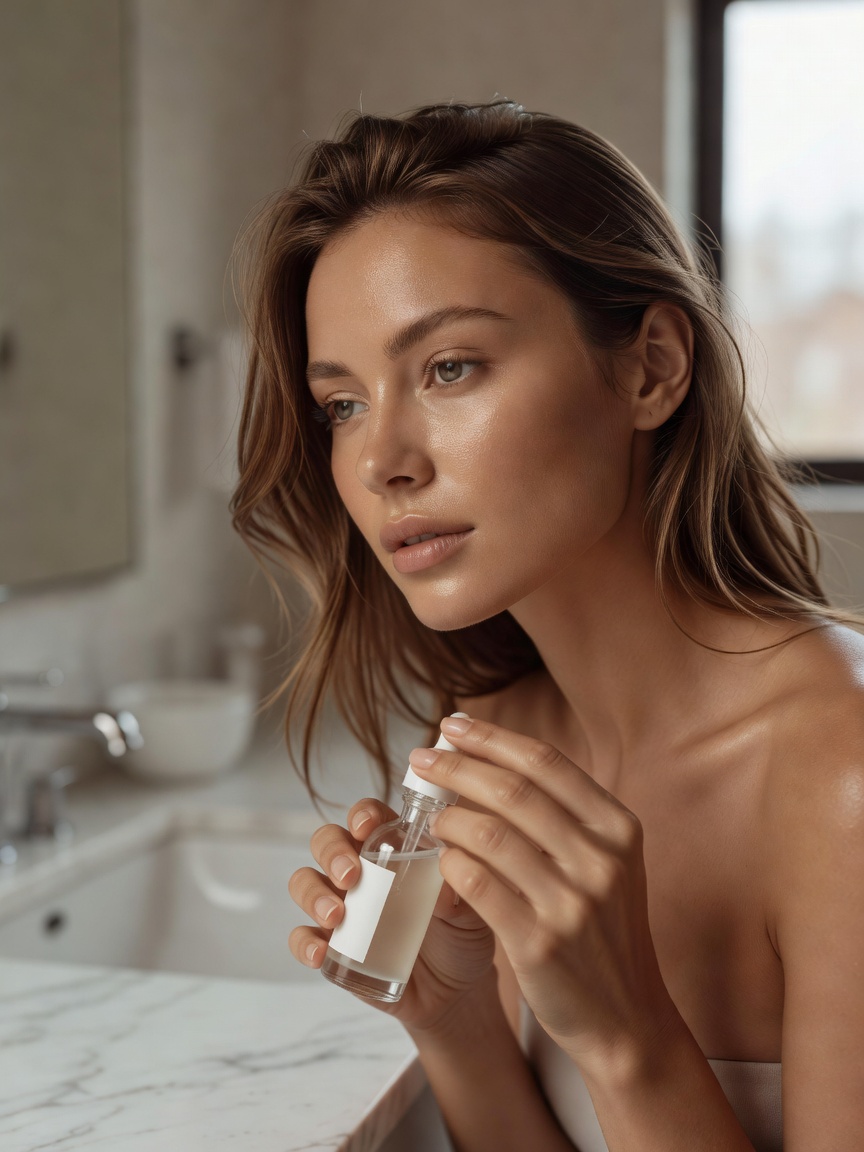
That stubborn dark spot on your cheek? The one that showed up out of nowhere and just won't leave? Yeah, we know her. Hyperpigmentation is one of those skin concerns that feels universal, and honestly, a bit frustrating. But good news: fading those spots naturally is totally doable, and you don't need a medical degree to start.
Understanding Hyperpigmentation
First things first, what exactly is hyperpigmentation? It's basically an overproduction of melanin, which is what gives our skin its color. When something triggers those melanin-producing cells to go into overdrive, you get a dark spot.
* Sun exposure is the biggest culprit, activating melanin to protect your skin from UV rays. Think sunspots or age spots.
* Post-inflammatory hyperpigmentation (PIH) happens after inflammation or injury, like acne breakouts, bug bites, or even a harsh facial. The spot heals, but leaves a dark mark.
* Melasma is a bit trickier, often appearing as larger patches, usually on the face. It's often linked to hormonal changes, like pregnancy or certain medications, combined with sun exposure.
* Genetics can play a role too; some of us are just more prone to developing dark spots.
Natural Fading Strategies
Now for the good stuff: how to encourage those spots to pack up and leave. Consistency is key here, girls!
* Daily SPF, no excuses: This is non-negotiable. If you're not protecting your skin from the sun, any fading efforts are basically pointless. Look for a broad-spectrum SPF 30 or higher and reapply throughout the day.
* Vitamin C power: This antioxidant is a superstar for brightening. It helps inhibit melanin production and also gives your skin a lovely glow. Look for serums with L-ascorbic acid.
* Niacinamide (Vitamin B3): Another fantastic ingredient, niacinamide helps block the transfer of pigment to your skin cells. It's also great for reducing inflammation and improving skin barrier function.
Gentle exfoliation: Regular, gentle* exfoliation with ingredients like AHAs (glycolic, lactic acid) or fruit enzymes can help shed pigmented cells faster. Don't go overboard, though – irritation can make dark spots worse.
Our Editor's Pick
Keeping your environment clean and tidy, from your skincare fridge to your beauty tools, actually plays a subtle but real part in preventing new inflammation and maintaining overall skin health. Sometimes we forget that everything is connected. A clean space equals a clear mind, and honestly, can even prevent those annoying little skin flare-ups that lead to PIH.
Remember, fading hyperpigmentation takes time and patience. Your skin didn't develop these spots overnight, and they won't disappear that quickly either. Keep at it, be consistent, and you'll absolutely start seeing those spots lighten up. You deserve clear, radiant skin that makes you feel amazing every day.


Comments
Post a Comment